THE TIDE
One of the biggest ranges
Government studies describe the Severn estuary's 14 metre tidal range as amongst the largest in the world.
See the numbers doodleglos
GLOUCESTERSHIRE, IN PLAIN ENGLISH
On the biggest tides, the Severn turns round.
THE BORE a wave that travels
14 m Tidal range of the Severn estuary
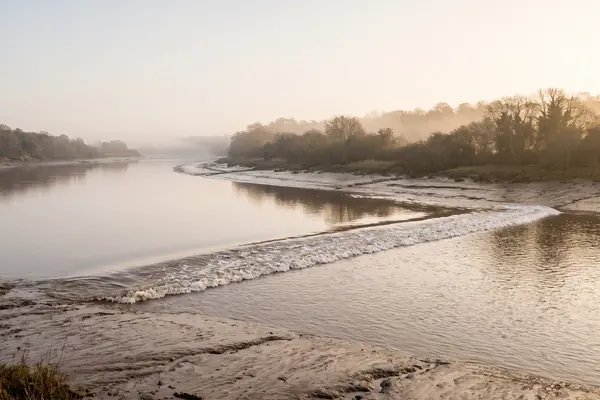
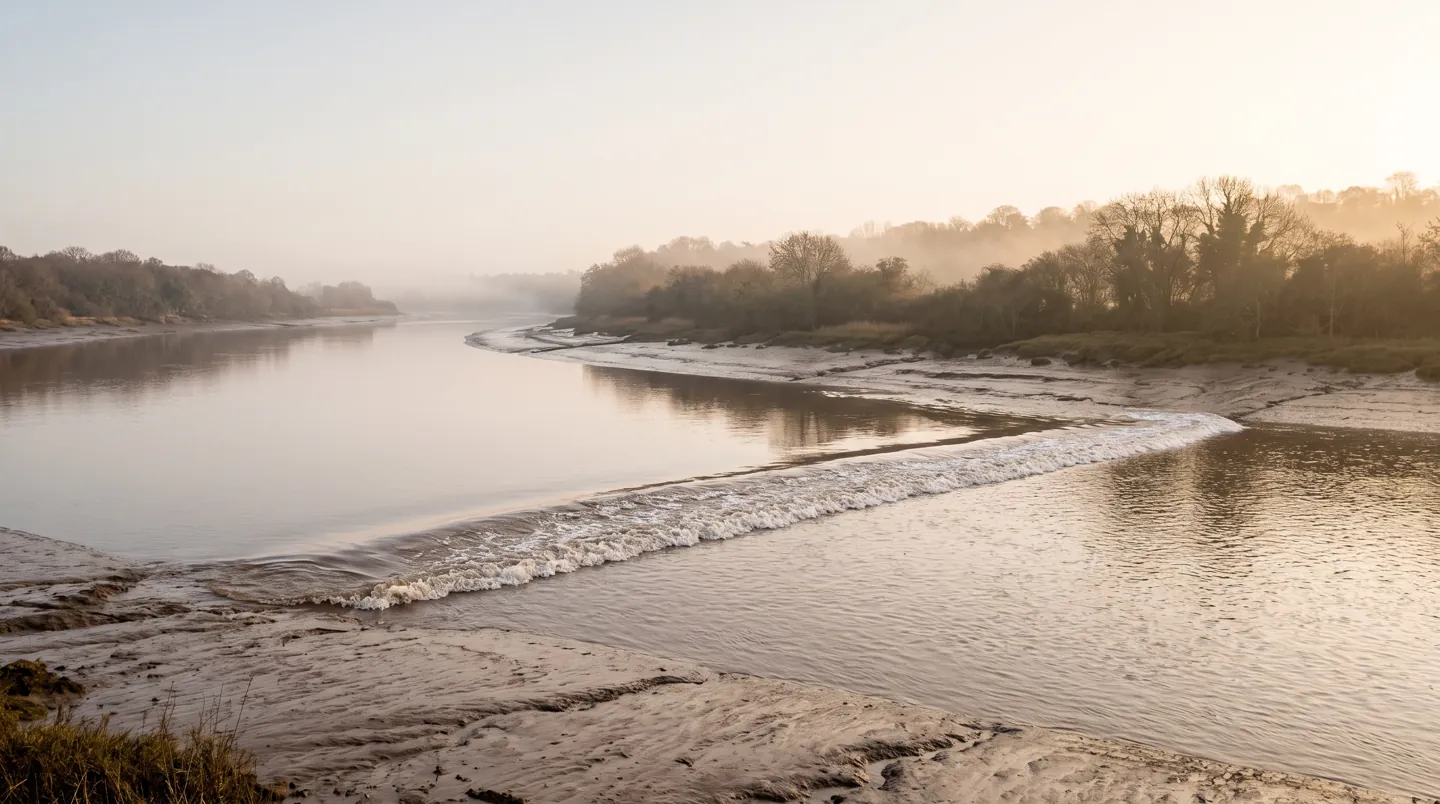
A few times a month in spring and autumn, a wave pushes up the River Severn from the estuary, against the flow, for more than 25 miles. It is Gloucestershire's travelling wave, and it is easy to underestimate.
THE SHORT ANSWER
Tidal bores form where big tides meet
a funnel-shaped estuary. The Severn has both.
THE TIDE
Government studies describe the Severn estuary's 14 metre tidal range as amongst the largest in the world.
See the numbersTHE FUNNEL
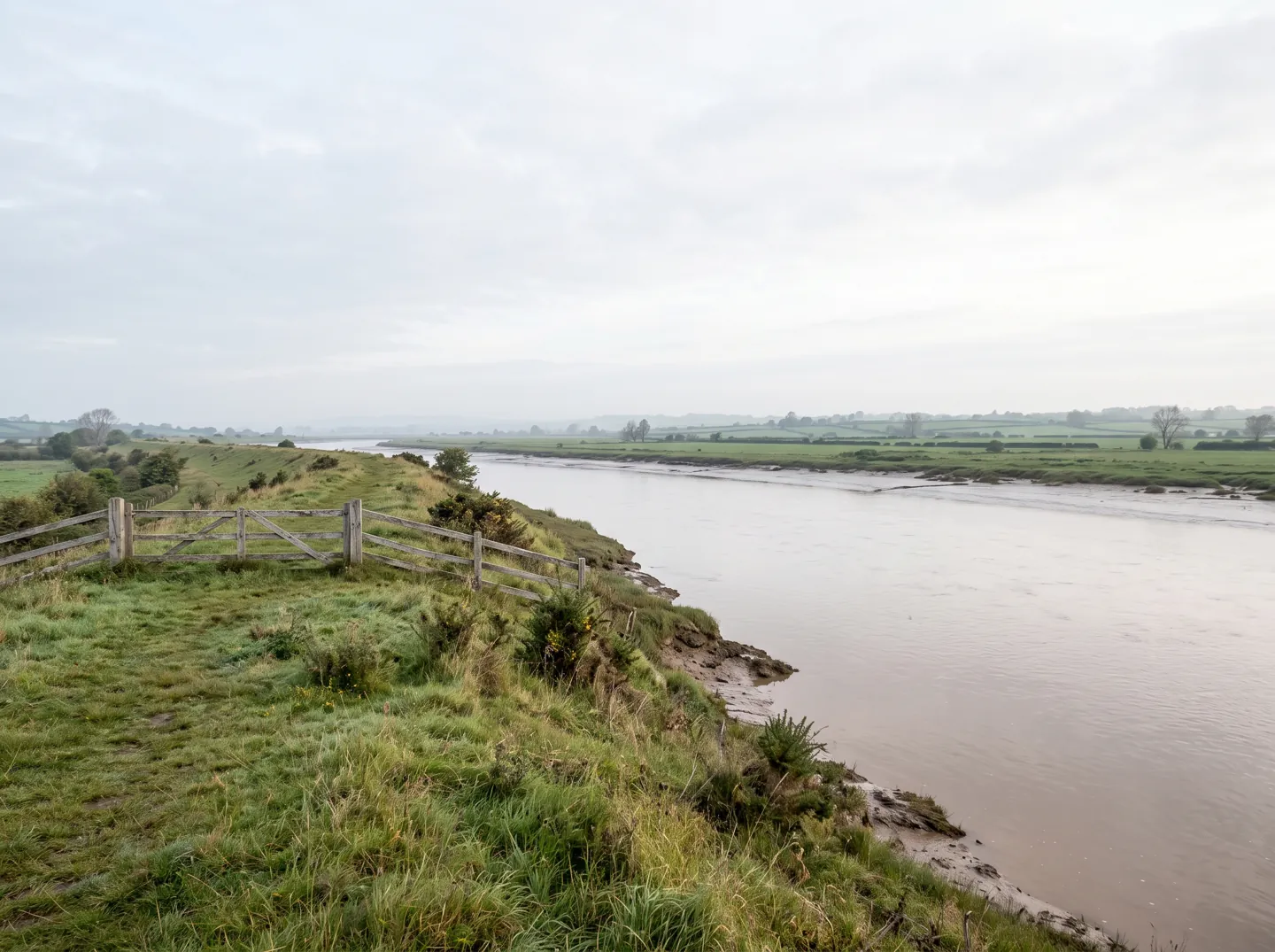
As the channel narrows and the riverbed rises, the incoming tide is lifted up and forward into a wave that runs against the river's flow.
When to see itSAFETY
Harbour officials warn the wave can make the water rise sharply as it passes, with enough force to knock people off their feet.
Check your viewpointCHECK YOUR VIEWPOINT
Pick a spot. The bar shows the risk, based on safety advice from the Gloucester Harbour Trustees and the Environment Agency.
Based on Gloucester Harbour Trustees advice reported by the Stroud News and Journal, and Environment Agency advice reported by Yachting Monthly. Always follow local signs.
WHEN TO SEE IT
The bore follows the tides, so it can be predicted. Size still depends on the day.
The Environment Agency notes the highest spring tides come on several days in each lunar cycle through spring and autumn.
Bore timetables give predicted times and star ratings. Higher-rated bores are bigger but rarer.
Wind direction, the height of the tide and fresh water coming downstream all change the size; low pressure and south-westerly winds can make it bigger and earlier.
Bores can arrive ahead of the predicted time in some conditions, and water stays high afterwards, so pick your spot early and stay back.
TWO NUMBERS WORTH KNOWING
One figure on the estuary,
one on the wave itself.
14 m
Tidal range of the Severn estuary
The government's 2010 feasibility study calls it amongst the largest in the world. Countryfile describes it as second only to the Bay of Fundy in Canada.
TIDAL RANGE · GOV.UK
≈ 2 m
Height the bore has been known to reach
The Environment Agency has put its average speed at about 16 km an hour. Countryfile gives 10 to 13 mph and a run of over 25 miles.
BORE HEIGHT · ENVIRONMENT AGENCY
The Stroud News and Journal reports the bore happens around 60 times a year. Bores are given star ratings, and the Environment Agency has noted that even a 3-star bore can be a spectacle.
IN THE WATER
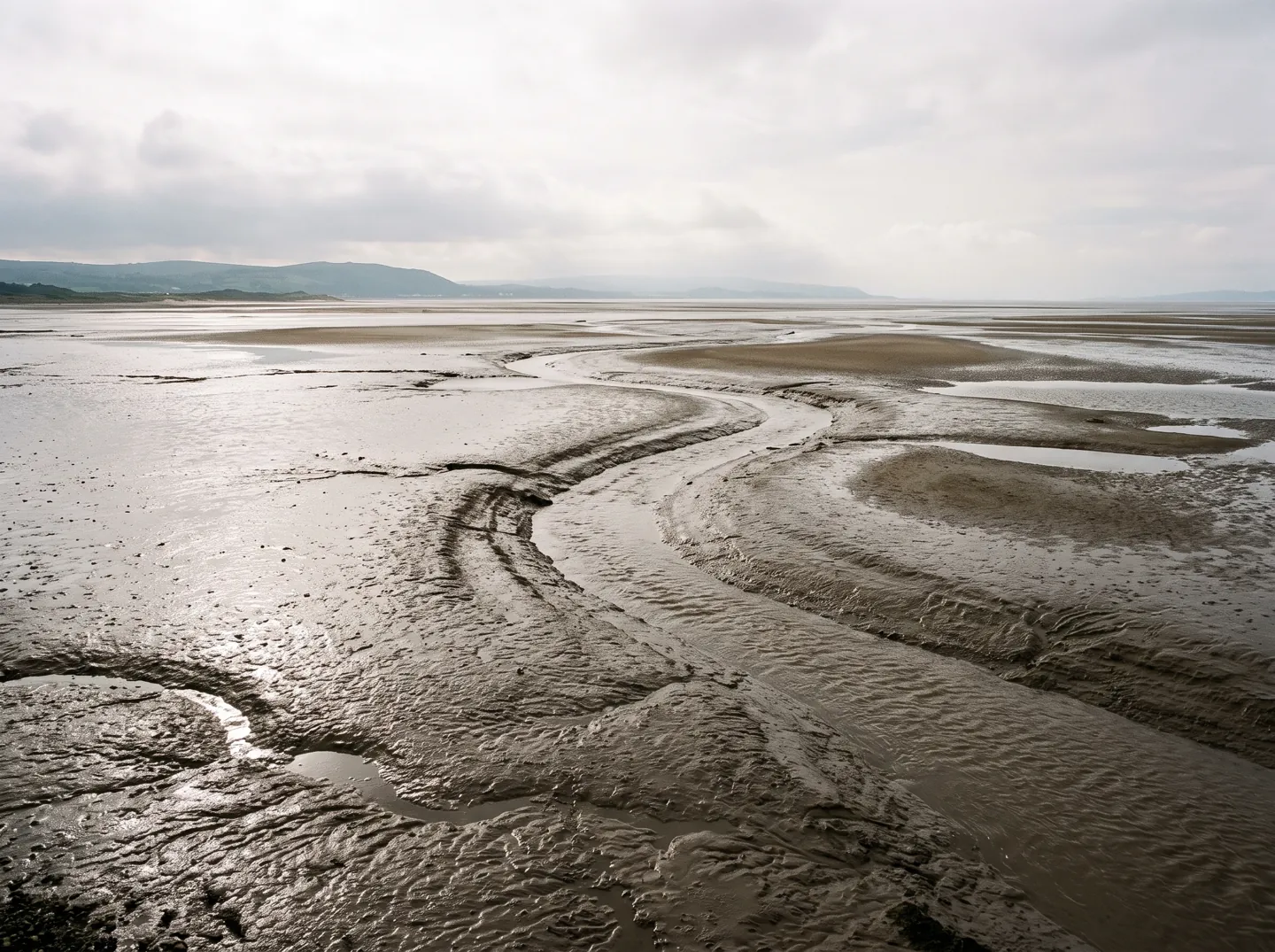
Surfers and kayakers ride the bore, but harbour officials say the strength of the currents catches most visitors out: the incoming water fights the outgoing flow and throws up whirlpools and confusing currents.
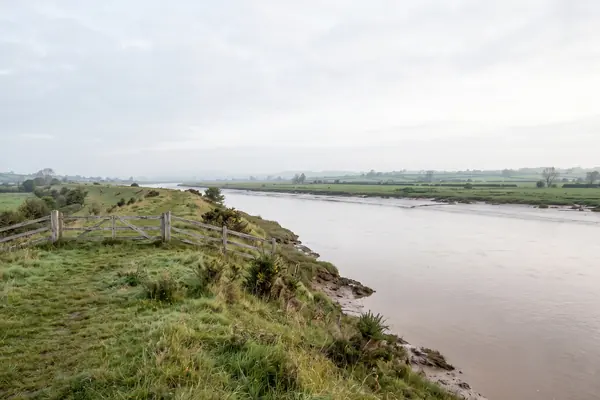
Their advice is to learn the river first, visiting at low water to see where the deep water and the sand and mud banks lie. Power boats are asked to stay at least 200 metres behind the wave.
Questions
A large wave that travels up the Severn estuary and river against the current on big tides, running for over 25 miles, according to Countryfile.
The estuary has a very large tidal range and a funnel shape. As it narrows and gets shallower, the incoming tide is pushed up into a wave.
The Environment Agency has said it has been known to reach about two metres. Size depends on the tide, the wind and how much fresh water is coming downstream.
The Stroud News and Journal reports around 60 times a year, with the biggest on spring tides in spring and autumn.
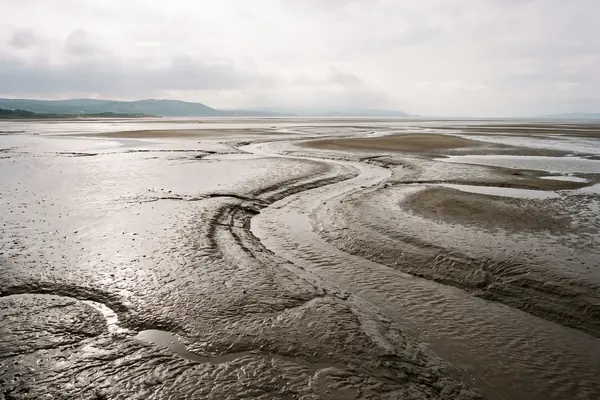
No. Harbour officials warn the surfaces are often soft and mud-like, and people risk getting stuck as the wave approaches.
Updated
ABOUT THIS NAME
doodleglos.com is part of the DoodleSale portfolio. It isn't in an auction right now, but you can ask about leasing it.